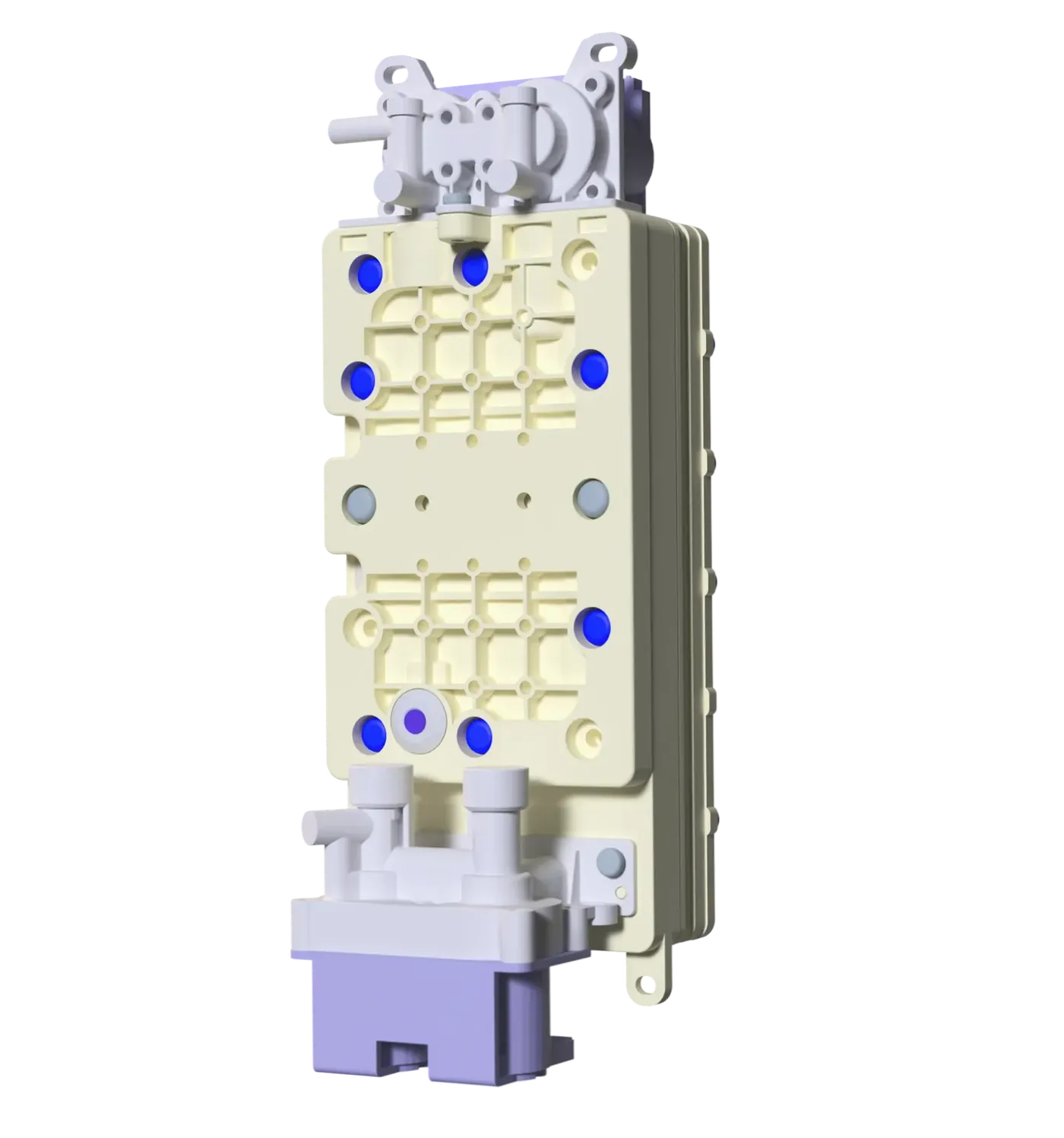
When we set out to bring hydrogen water into the studio, we tested systems against one standard: does the output match the claim? Tyent's Hybrid architecture runs water through a primary electrolytic cell, then continues it through a dedicated Hydrogen Booster Cell — generating real, verifiable molecular hydrogen output at any pH level, not just under ideal lab conditions.
That's not a universal feature of water ionizers. Plenty of systems on the market — including some of the most heavily marketed ones — rely on simpler single-cell architecture that trades off consistency, longevity, or actual hydrogen yield to hit a lower price point. The differences aren't always obvious from a glance at a spec sheet, which is exactly why we think Tyent doesn't get the credit it deserves relative to what it actually delivers.
Our goal isn't to sell you the loudest name in the category. It's to explain what dual-cell technology does, why it's harder to engineer, and why we're comfortable recommending it after testing it ourselves.
Not all "hydrogen water machines" work the same way. Here's a breakdown by mechanism, not by brand name or price tag.
One electrolysis chamber splits water into alkaline and acidic streams using a set of plates working together. Hydrogen output and pH shift happen as a coupled result of the same reaction — you can't independently maximize one without affecting the other. This is the oldest and most common water ionizer architecture on the market.
Water passes through a primary electrolytic cell, then continues through a second, dedicated Hydrogen Booster Cell — decoupling hydrogen generation from pH control instead of forcing both through one chamber. That means the system can push higher, more consistent molecular hydrogen output at a chosen pH. We tested our own in-studio Tyent unit with drop reagent testing and confirmed 1.8+ ppm molecular hydrogen output. Available in above-counter (Hybrid) and below-counter (UCE-13 Plus) configurations.
No electrolysis at all. Water is purified first, then hydrogen-yielding minerals are added back to create alkalinity. This avoids ionizing whatever's dissolved in unfiltered water, but hydrogen output comes from the mineral cartridge rather than real-time electrolytic generation — generally a lower and less controllable yield.
Self-contained units that generate hydrogen water on demand in a sealed chamber. The Echo Flask uses Solid Polymer Electrolysis (SPE) paired with a Proton Exchange Membrane (PEM) to electrolyze water within the bottle itself, while a dual-chambered membrane keeps byproducts like chlorine out of the water you drink. No plumbing, no whole-home installation. Echo also offers above-counter and below-counter home systems — the Flask remains the portable option for daily, on-the-go use. See full Echo Flask specs and comparison → The 40oz Echo Forty is coming soon →
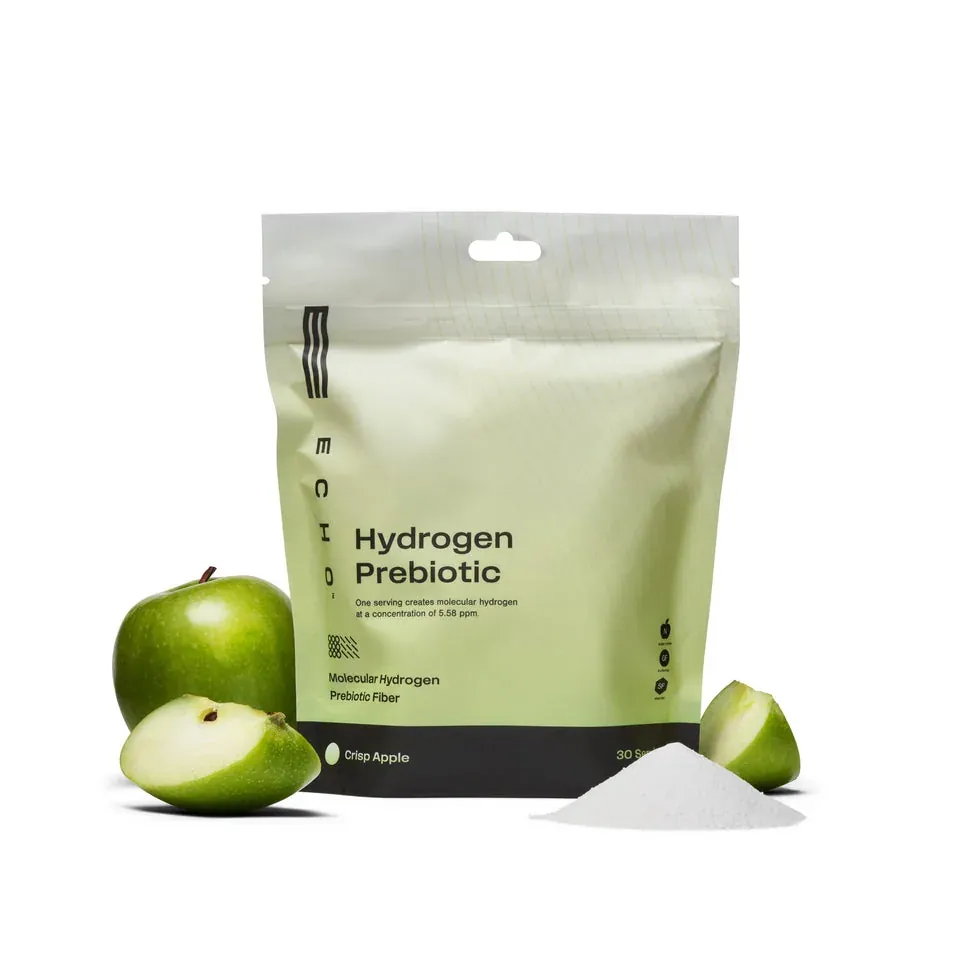
No electrolysis, no machine at all — hydrogen is generated through a chemical reaction. Echo's Hydrogen Prebiotic uses nano-magnesium that reacts with water to release molecular hydrogen directly into the glass, delivered alongside a prebiotic fiber blend for gut support. It's the simplest mechanism of the group: mix, wait a few minutes, drink. The tradeoff is that output is fixed per packet, and the hydrogen has to be consumed within a short window before it dissipates. See full Hydrogen Prebiotic specs and comparison →
A newer approach entirely: purify the water almost completely first, then infuse hydrogen gas into it separately. The Echo One combines multi-stage reverse osmosis (removing up to 99.999% of dissolved contaminants, heavy metals, and PFAS) with UV sanitization and a dedicated hydrogen infusion system, generating 2–4 ppm hydrogen-enriched water. Unlike electrolysis, nothing in the source water gets ionized — it's removed first, then hydrogen is added back on its own.
Six different mechanisms, six different tradeoffs. Understanding which one you're paying for — not just how the water tastes — is the real question before you buy.
The Tyent Hybrid water cell — water flows through a primary electrolytic cell, then through the Hydrogen Booster Cell, generating high-concentration hydrogen alkaline water in real time.
Once you understand the six approaches above, the question stops being "which brand has the best marketing" and becomes "which mechanism actually does what I want." For us, that meant Tyent's dual-cell hybrid design.
Here's the practical reason: single-cell systems force a tradeoff. Push for a higher pH and you get a corresponding shift in ORP and hydrogen output — they're locked together because one chamber is doing both jobs at once. Tyent's Hybrid system runs water through a primary electrolytic cell first, then continues it through a dedicated Hydrogen Booster Cell downstream — generating high-concentration hydrogen alkaline water in real time, without capping hydrogen output at whatever the primary cell alone can produce. That's a harder system to engineer: two synchronized electrolysis stages instead of one, with more precise control electronics to manage the sequence.
Tyent's 1.8 ppm figure comes from the system's plate geometry and electrolysis design — a manufacturer spec, not an independent lab reading. We didn't stop there. We tested our own in-studio unit with drop reagent testing and got a real reading that confirmed it, holding up under direct measurement rather than resting on the spec sheet alone.
That's the standard we hold every system in the studio to: does the output match the claim, under real testing, not ideal lab conditions. It's why we chose Tyent for in-studio water production, and why we think it deserves more credit in a market that too often rewards the loudest brand instead of the best-engineered one.
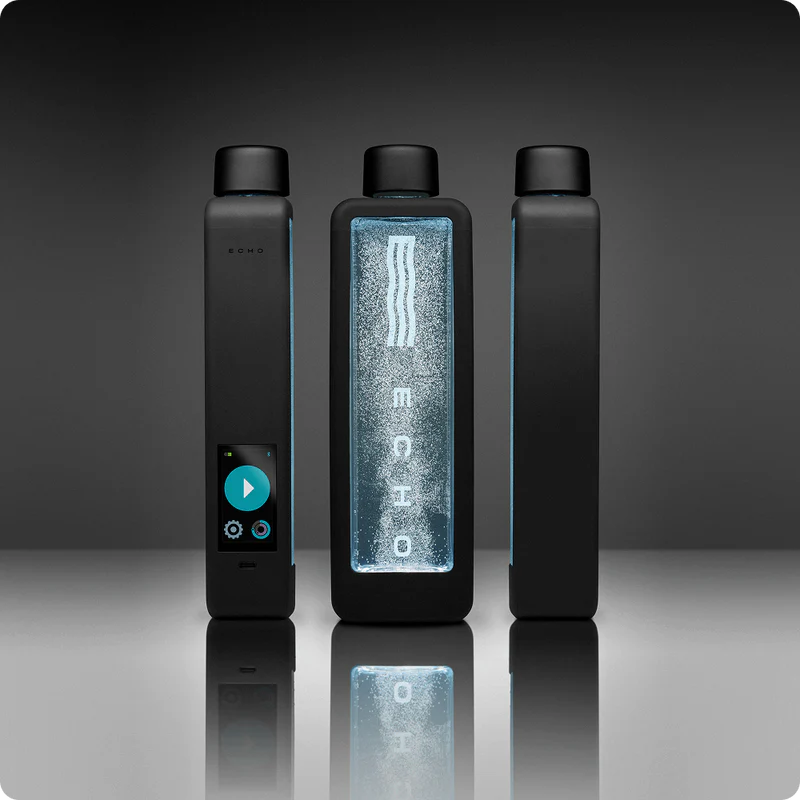
For clients who want molecular hydrogen water as part of everyday hydration, we carry Echo countertop and home systems alongside Tyent's dual-cell Hybrid and UCE-13 Plus ionizers — above-counter and under-sink options for every kitchen.
A full breakdown of dual-cell hybrid electrolysis against single-cell architecture — specs, warranty, and real tested output.
Read the Guide →How Echo's SPE/PEM electrolysis and reaction-based technology compare to traditional hydrogen water bottles and magnesium tablets.
Read the Guide →What early research says about H₂, oxidative stress, and the ocular surface — plus how hydrogen inhalation and eye goggles work together.
Read the Guide →Single-cell ionizers use one electrolysis chamber to both raise pH and generate hydrogen at the same time, meaning the two outcomes are linked. Dual-cell ionizers, like Tyent's Hybrid design, run water through a primary electrolytic cell and then a dedicated Hydrogen Booster Cell, allowing higher and more consistent hydrogen output regardless of the pH level selected.
Not in the same way. Whole-home ionizers (single-cell or dual-cell) use electrolysis to treat the full water supply, splitting it into alkaline and acidic streams. Other systems, like PUR2O, use filtration plus remineralization instead, adding hydrogen-yielding minerals back into purified water without any electrolysis. Portable systems like the Echo Flask use electrolysis too, but in a sealed, self-contained chamber built for a single bottle at a time rather than a whole-home system.
Not exactly. Ionized water gets its pH shift and hydrogen content from real-time electrolysis. Remineralized water gets alkalinity and hydrogen from minerals added after filtration — a different mechanism that generally produces lower and less controllable hydrogen concentrations than electrolytic generation.
It varies significantly by mechanism and machine quality — this is the number to ask about, not just "does it make hydrogen water." Tyent's 1.8 ppm figure is a manufacturer spec based on plate geometry; our in-studio unit tests at 1.8+ ppm using drop reagent verification. The Echo Flask is independently certified by H2 Analytics using gas chromatography at 6.07 mg/L after a 10-minute cycle and up to 8.25 mg/L after 20 minutes.
They serve different needs. Tyent's dual-cell hybrid ionizer is built for continuous, high-output water generation as a home system. Echo's Flask uses portable, self-contained electrolysis, and Echo's Hydrogen Prebiotic uses a nano-magnesium reaction with no equipment needed at all — both offer daily, on-the-go hydrogen water without the whole-home installation a Tyent system requires.
ORP stands for Oxidation-Reduction Potential, measured in millivolts. It indicates whether water tends to donate electrons (negative ORP, antioxidant-leaning) or accept them (positive ORP, oxidizing). Water ionizers like Tyent's produce a strong negative ORP as a byproduct of the same electrolysis process that generates molecular hydrogen. A more negative ORP generally signals a greater antioxidant potential in the water, which is why it's tracked alongside ppm as a marker of water ionizer performance.
Yes. Tyent offers the Hybrid as an above-counter model and the UCE-13 Plus as a below-counter, under-sink model, both using the same dual-cell electrolysis and Dialipure filtration. Echo also offers above-counter and below-counter home systems, in addition to the Echo Flask, which is a portable, self-contained option for daily use outside the home.
Book a hydrogen water or hydrogen inhalation session in-studio, or explore bringing a Tyent system home.